 Field
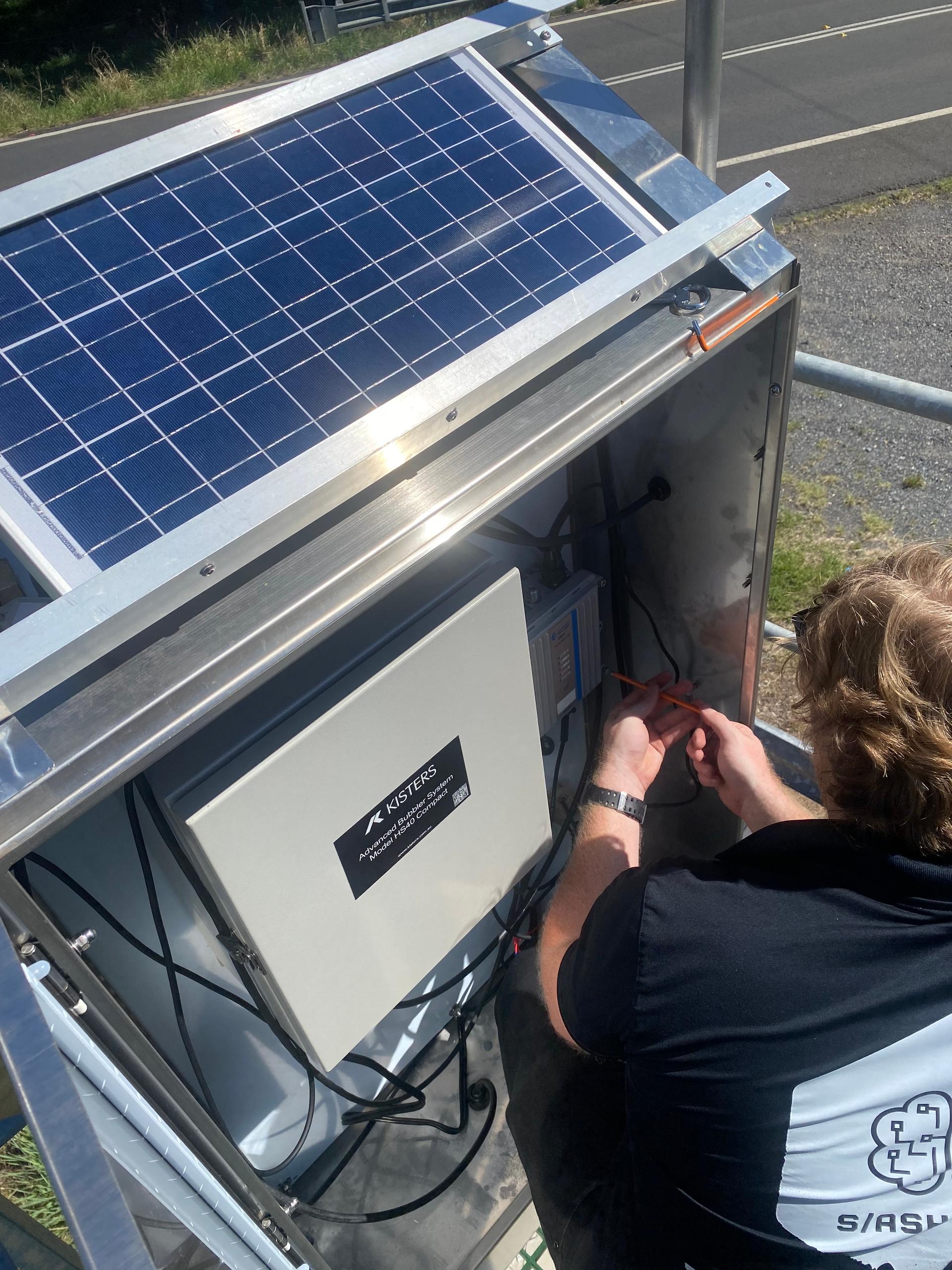
FieldField-first design
Design decisions are made where systems actually run.
 Field-first systems partner
SlashTech Australia is an applied R&D company that designs and operates systems for the real world, helping teams turn fragile prototypes into scalable, operable solutions.
Built for environments where failure is costly and operations matter.


Prototype
Field constraints captured
Deployment
Commissioning and validation
Operation
Lifecycle control and observability
Operational intent
Keep lifecycle, rollout, and observability consistent across sites and change cycles.
Introducing Project Hermes
Built from field operations, not a product pitch. Private preview for teams operating complex systems at scale.
Field Notes
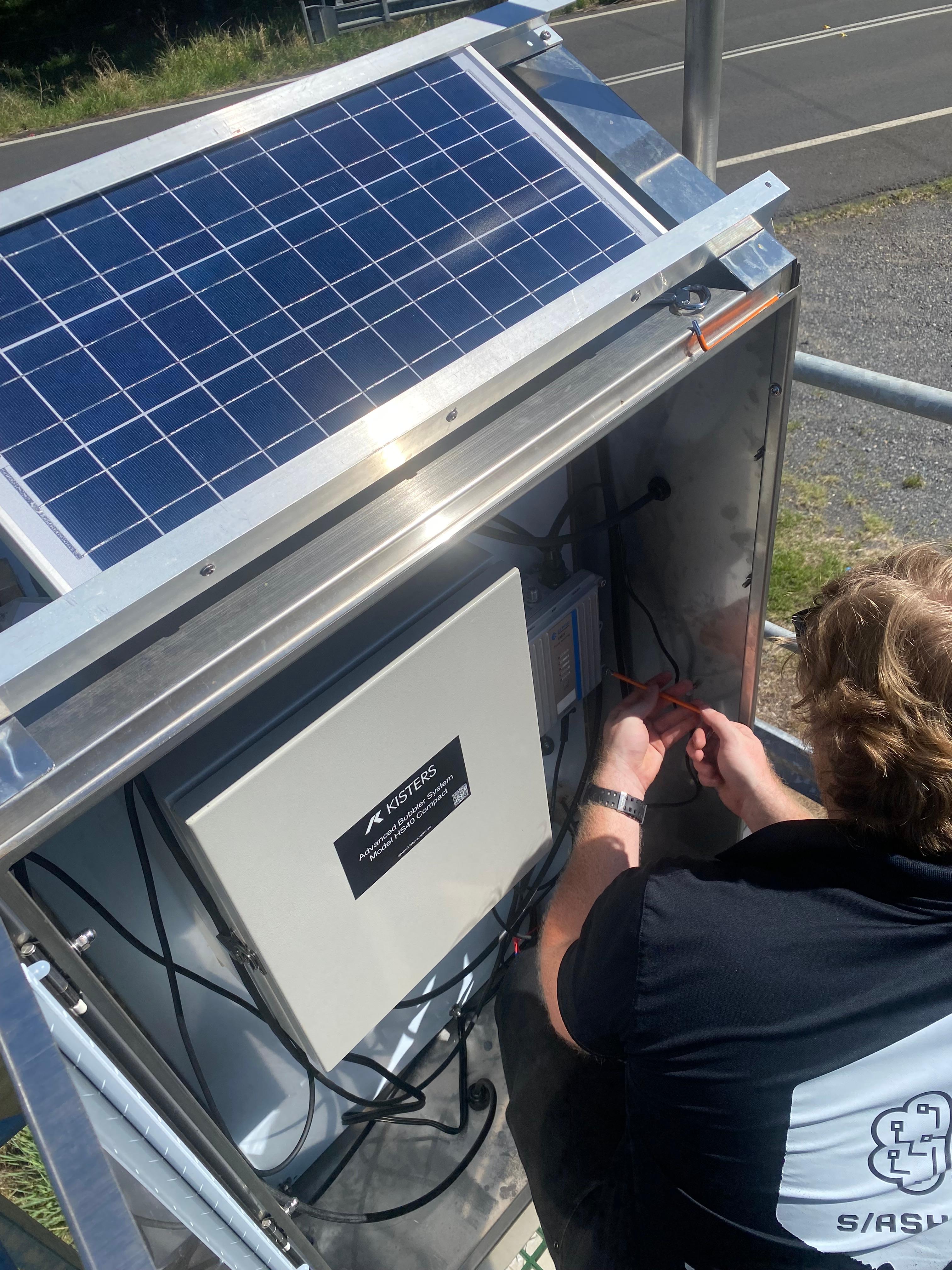
Examples from flood monitoring installations, data brokering, and telemetry platforms. Each entry ties back to commissioning, calibration, and the operational artifacts that keep systems running.
The Problem
Prototypes work.
Pilots launch.
Then operations quietly become fragile.
Responsibility drop-off
Prototype
Build team owns outcomes
Deployment
Handover begins
Operation
Ownership fragments
After deployment
Accountability diffuses, drift accumulates, and operational context is lost.
The Shift
Building is not operating. Delivery focuses on getting something to work once. Operations is about keeping it reliable through change.
Ad-hoc tooling fails because it captures a moment, not a lifecycle. Without an operating layer, every update risks drift, and knowledge remains brittle.
Operations must be systematic: policy-based rollouts, observable state, and clear ownership across devices, sites, and people.
Conceptual architecture
Device
Sensors and control
Field
Constraints and context
Ops layer
Policy and lifecycle
People
Decisions and response
The operating layer links field reality to human decisions without relying on ad-hoc tooling.
How SlashTech Works
We operate where systems fail in the real world, so every decision is tied to long-term operation and measurable outcomes.
FieldDesign decisions are made where systems actually run.
 Systems
Every decision considers long-term operation.
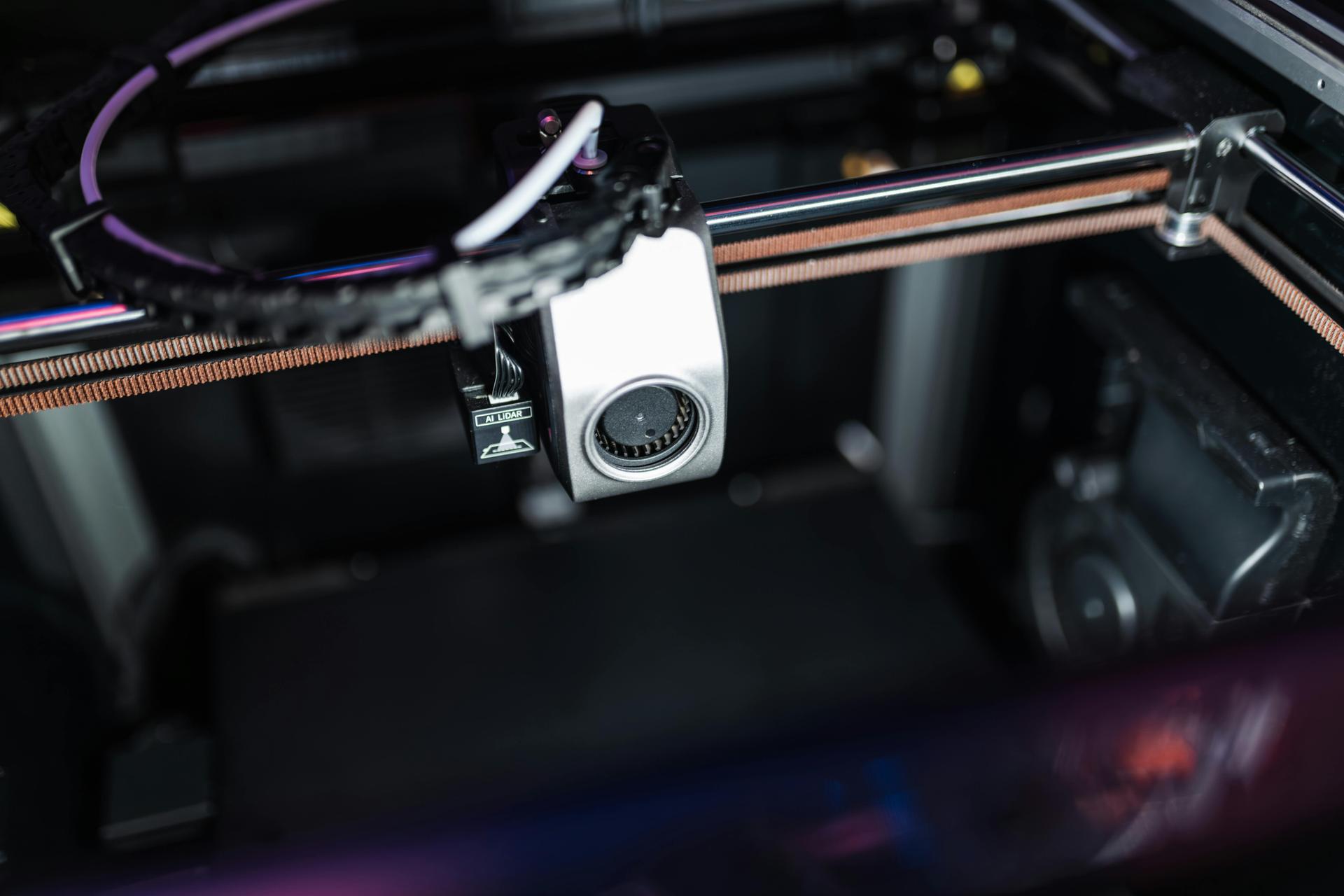 Ownership
We stay past deployment.
Seven-phase method
We apply the same delivery framework across every engagement to keep operations accountable from discovery to support.
Phase 1
Discovery & Requirements Analysis
Phase 2
Solution Design
Phase 3
Project Planning
Phase 4
Implementation & Deployment
Phase 5
Testing & Commissioning
Phase 6
Training & Handover
Phase 7
Support & Maintenance
Engagements
Discovery through fleet ops, each engagement ships clear artifacts and decision gates so teams can operate confidently over time.
Map field constraints, success criteria, and decision gates before you build.
Prove reliability under real conditions before scaling.
Define the architecture, integrations, and rollout approach for scale.
Run stable operations with observability and clear escalation paths.
Insights
Short, technical notes with checklists and decision frameworks for teams running distributed systems.
Next steps
Share your sites, constraints, and operational goals. We will follow up within one business day with a proposed Discovery Sprint and expected artifacts.
Get a concrete next step within one business day.
Share your sites, constraints, and operational goals. You will receive a proposed Discovery Sprint, expected artifacts, and a decision timeline.