
How We Work
We build for whoever inherits this in three years.
We do not build things and hand them over. This page explains how we think, how we work, and what working with us actually looks like.
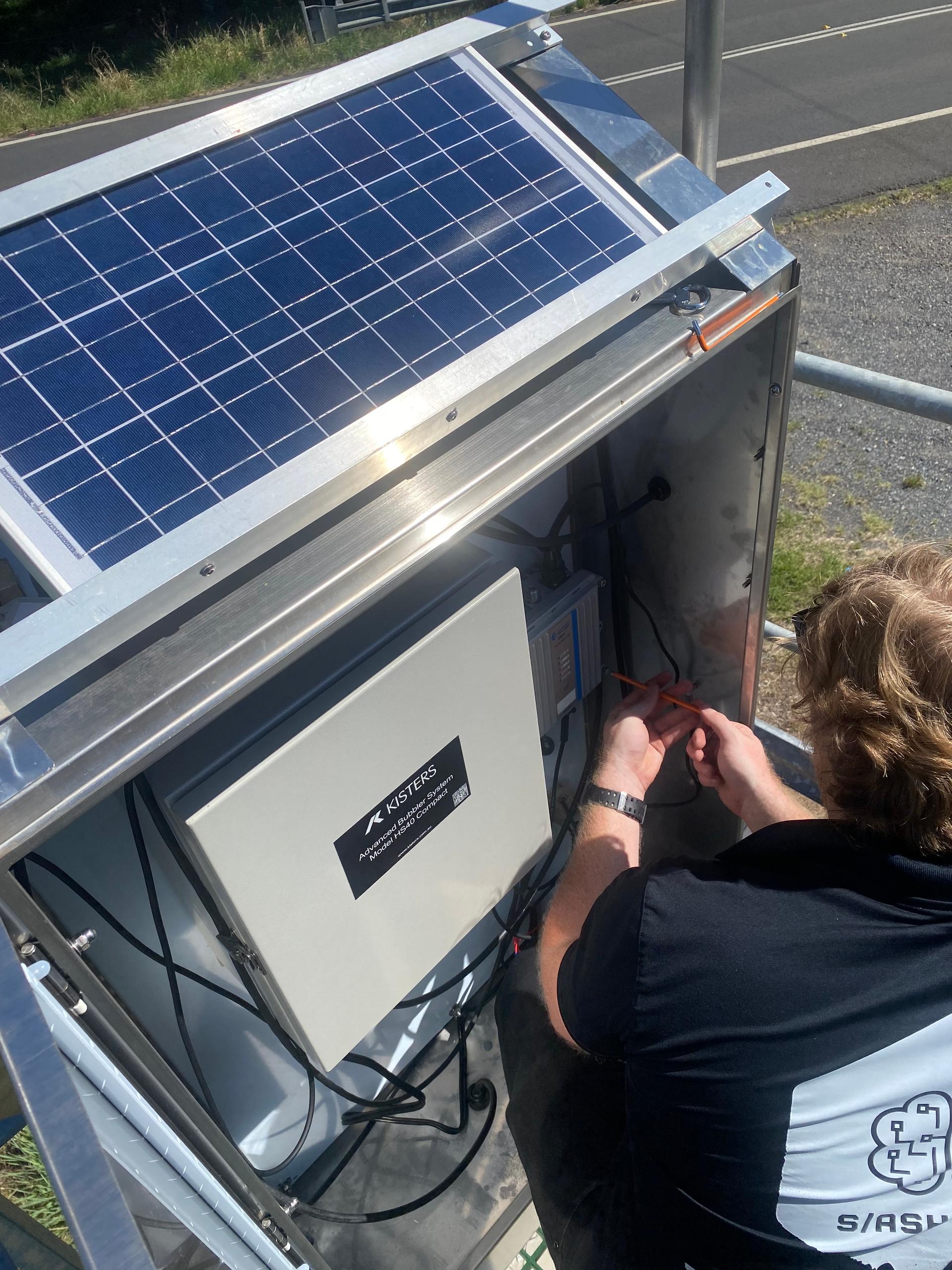
Field-first design
We start by understanding how your operation actually works.
The real environment — the people, the sites, the constraints, the workarounds — shapes every decision we make. We visit your sites. We talk to the people who run the operation. We design for what is actually there, not what is convenient.
- Heat, dust, and vibration in industrial environments
- Poor connectivity or no connection at all
- Limited physical access for maintenance
- Regulatory and safety requirements
We do not discover these constraints after the build. We account for them before it starts.
Systems thinking
We build for the long run. Not the demo, not the handover - the long run.
A lot of technology looks great in a presentation and falls apart six months later. We build things that hold up — because we are thinking about year three, not just launch day.
- Visibility into what is working is built in from the start
- Changes can be made without breaking everything
- How systems connect matters as much as what they do
- Every part of the system has a clear owner
System lifecycle
Build
Feedback informs the next cycle.
Deploy
Feedback informs the next cycle.
Operate
Feedback informs the next cycle.
Evolve
Feedback informs the next cycle.
Each stage feeds the next. Systems improve through use - not through periodic emergency fixes.
Ownership
We don't disappear after launch. That's the whole point.
When a firm hands over a project and walks away, that is when the problems start. We stay involved — because knowing we will be responsible for something in three years changes how we build it today.
Our best work comes from long-term relationships. The longer we work with you, the better we understand your operation — and the better the outcomes.
Ownership timeline
Build, set up on site, hand over to your team
Fine-tune, fix what needs fixing, keep things stable
Evolve the system as your business grows
Seven-phase method
Every project follows the same seven phases — so you always know where you are and what comes next. The same seven phases apply whether we are building something new or recovering an existing system from decay. You might not start at phase one — that depends on where you are.
Phase 1
Understand your operation
Phase 2
Map what needs to be built
Phase 3
Agree on the plan
Phase 4
Build and set up on site
Phase 5
Make sure it works
Phase 6
Train your team
Phase 7
Ongoing support
Outcomes
What working with us actually looks like.
This is what working with Slash Tech actually looks like in practice.
- Fewer problems after launch — because we planned for them
- A system your team can update without things breaking
- Less time spent firefighting, more time moving forward
- Knowledge that lives in the system, not in one person's head
Before / after
Without us
- Fixes applied under pressure
- Dependencies nobody documented
- Knowledge that leaves when people do
With us
- Controlled, tracked updates
- Clear picture of system state
- Knowledge built into the system
- One team responsible for outcomes — not a hand-off chain where accountability disappears
Tell us what's decaying in your operation.
You do not need a polished brief. Tell us what is going wrong and what you want to be better. We will tell you what a sensible first step looks like.